EV charger installation: 18,100 searches a month, the grants that decide who gets the job, and the installer page that wins
EV charger installation is searched 18,100 times a month, installer near me 3,600. Who is searching, what the grants require, and the page that wins.
By Daniel Stoychev, Webso Digital · 6 October 2026 · 8 min read
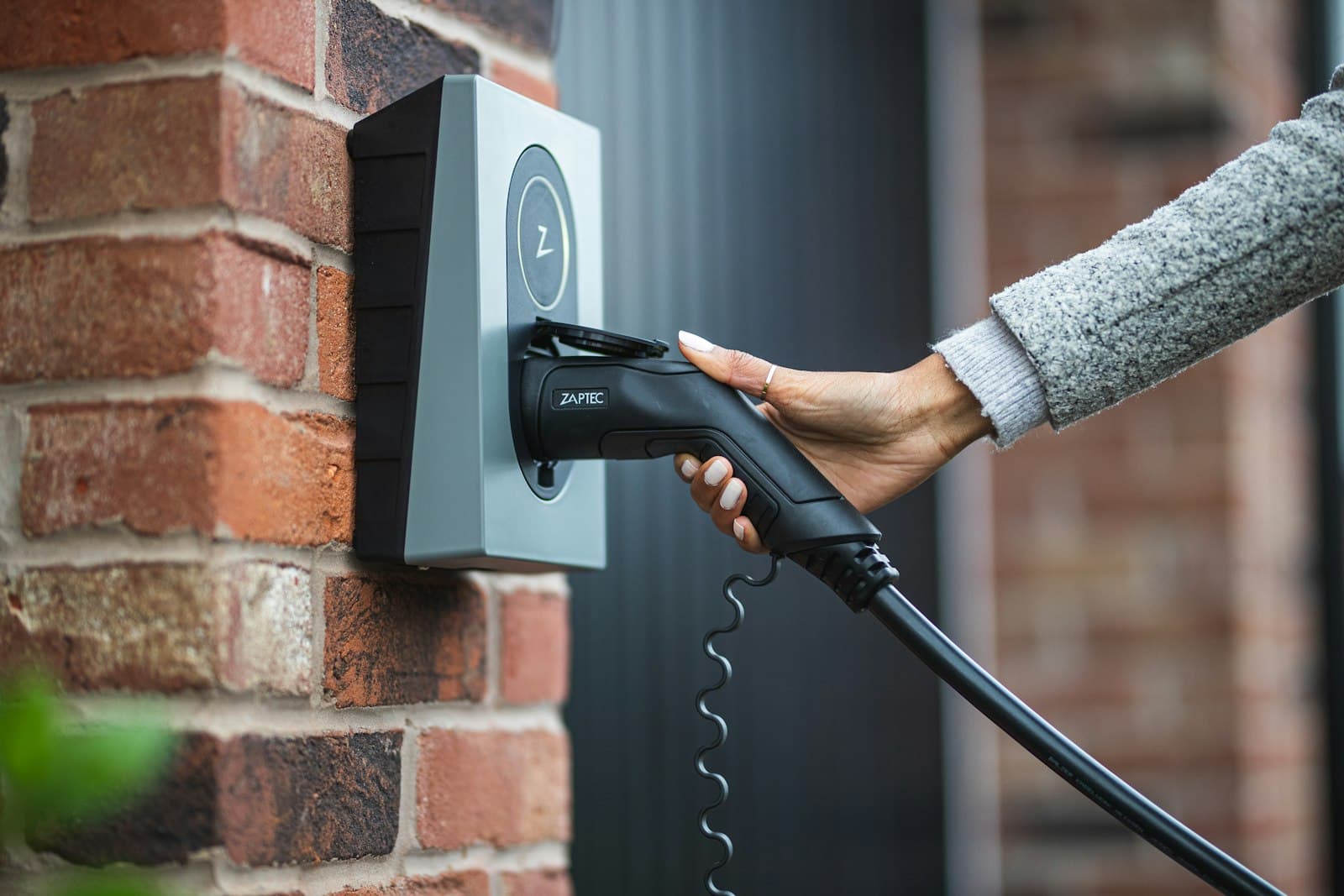
"EV charger installation" is searched about 18,100 times a month in the UK and "EV charger installer near me" another 3,600, with "home EV charger", "tethered or untethered" and the make names on top (Google Keyword Planner, UK, twelve months to August 2026). It is the second largest job search in the trade after the EICR, it is growing, and it is made by three different buyers: a homeowner with a new car and a driveway, a landlord or flat owner who has heard there is a grant, and a business that wants sockets in the car park. The page that wins says in its first screen which of the three you serve, that you are authorised for the grants where that applies, which chargers you fit and what a standard installation costs, and it shows your own installations rather than the manufacturer's photographs. Most electricians who fit chargers have a line about it on their services page and nothing else, which is why the national installers hold the search.
The three buyers behind one search
| Who | What they search | What decides it |
|---|---|---|
| A homeowner with a driveway | home EV charger installation, EV charger installer near me, [make] charger installation | Price for a standard install, the charger brands you fit, how soon, whether you handle the DNO notification, your own photographs |
| A renter, a flat owner or a landlord | EV charger grant, EV chargepoint grant flat, landlord EV charger | Whether you are authorised to claim the grant on their behalf, and a plain explanation of what the current scheme covers |
| A business with staff or fleet parking | workplace EV charging, commercial EV charger installation, Workplace Charging Scheme installer | The Workplace Charging Scheme, which pays up to 75% of purchase and installation capped at £350 a socket for up to 40 sockets, and which requires an authorised installer to claim it |
The third row is the one with money in it and the one almost no local electrician has a page for. The scheme's own guidance says applicants must use an authorised commercial installer who claims the grant for them, so a business searching for it is looking for an authorised installer by definition, and a page that says "we are authorised and we claim it for you" is the whole answer.
The grants, said carefully
The household grants have changed several times since the original home charge scheme closed, and they are the thing most installer pages get wrong by quoting a figure from two years ago. The rule for the page is simple: state the scheme by its current name, say who it is for in one sentence, say that you are authorised to install under it, and link to the GOV.UK page for the figures rather than copying them, because the figures move and GOV.UK is where the buyer will check. The Workplace Charging Scheme figures above are from GOV.UK's guidance as read on 6 October 2026; the household schemes for renters, flat owners and landlords are on the same site and should be linked, not retyped.
The installer page, screen by screen
- The heading names the job and the area: "EV charger installation in Chester and Wrexham: homes, flats and workplaces".
- The first screen says which buyers you serve, that you are authorised for the grants where that is true, and a price for a standard home installation, because the homeowner's first question is the price and the page that answers it gets the call.
- The chargers you fit, by make, with a sentence on each: tethered or untethered, the app, smart charging, and which ones you recommend and why. People search the make name.
- What a standard installation includes and what makes it non-standard: cable run length, a new consumer unit, the earthing arrangement, a detached garage. The non-standard list is what prevents the awkward phone call.
- The DNO notification and the smart-charging regulations, in two sentences, so the buyer knows you handle them.
- Your own installations: the charger on the wall, the cable run, the car plugged in, the street in the background. Not the manufacturer's render.
- The workplace section, or a separate page if you do enough of it: the scheme, the survey, the number of sockets, load management, and who signs the grant claim.
Search "EV charger installer" with your town after it. If page one is the national installers and the manufacturers' own installer finders, the local page that would win is not written yet, and the manufacturers' finders are worth a listing in the meantime.
The makes people search, and the sentence each needs
A homeowner who has read a review or been given a leaflet searches the make before the installer: the charger brand with "installer" or "installation" after it, sometimes with the town. One sentence per make you fit answers that search and tells the buyer you have fitted it before: whether it is tethered or untethered, what the app does, whether it needs an earth rod or has built-in protection, and what you think of it. Five makes, five honest sentences, and the page shows for five searches it was invisible to before.
Say which you recommend and why, in a line. An installer with an opinion is trusted more than a catalogue, and the buyer who was going to ask the question anyway has it answered before the call.
Where the enquiries also come from
The charger manufacturers run installer finders, and a homeowner who has already chosen a charger uses the finder before Google. Be listed on the ones you actually fit. The car dealers hand over a leaflet with a national installer on it; a local page that is visibly cheaper and faster for a standard install wins those customers when they search the price. And the Google Business Profile needs "EV charging station installer" as a service and photographs of installations, because "EV charger installer near me" is a map search as often as a results search.
What to expect
A proper EV page on an established electrician's site usually shows in Search Console within weeks for the long searches, the make names and the town, and the head term follows the reviews that mention a charger by name. Watch impressions for queries containing "charger" or "EV", and enquiries that mention a car. The workplace page is slower and worth more; one business car park is several domestic jobs in one invoice.
Questions on this topic
Should an EV charger page quote the grant figures?
State the scheme by name, say who it is for and that you are authorised under it, and link to GOV.UK for the figures. The household schemes have changed several times and a figure copied onto your page goes stale; the Workplace Charging Scheme figure quoted here is from GOV.UK as read on 6 October 2026.
Do we need a separate page for workplace charging?
If you do commercial work, yes. The buyer, the searches, the scheme and the survey are all different from the home job, and the Workplace Charging Scheme requires an authorised installer to claim it, which is the sentence the business is looking for.
Should the page name the charger brands?
Yes. People search the make they have chosen or been recommended, "[make] installer near me", and the page that names the make is the one that shows for it. List the ones you actually fit, with a sentence on each.
Should we publish an installation price?
A price for a standard installation, with the list of what makes it non-standard. It is the homeowner's first question, the national installers publish one, and the page that answers it gets the call.
How many searches are there?
About 18,100 a month for "EV charger installation" and 3,600 for "EV charger installer near me" in Google's Keyword Planner, UK, twelve months to August 2026, plus the make-name and town variations on top.