NICEIC, NAPIT, Part P and SEO: where the registers do their work online
NICEIC, NAPIT and Part P in search: the 4 places a register does its work, from profile attribute to AI answer, and the quarterly check of every entry.
By Daniel Stoychev, Webso Digital · 30 August 2026 · 4 min read
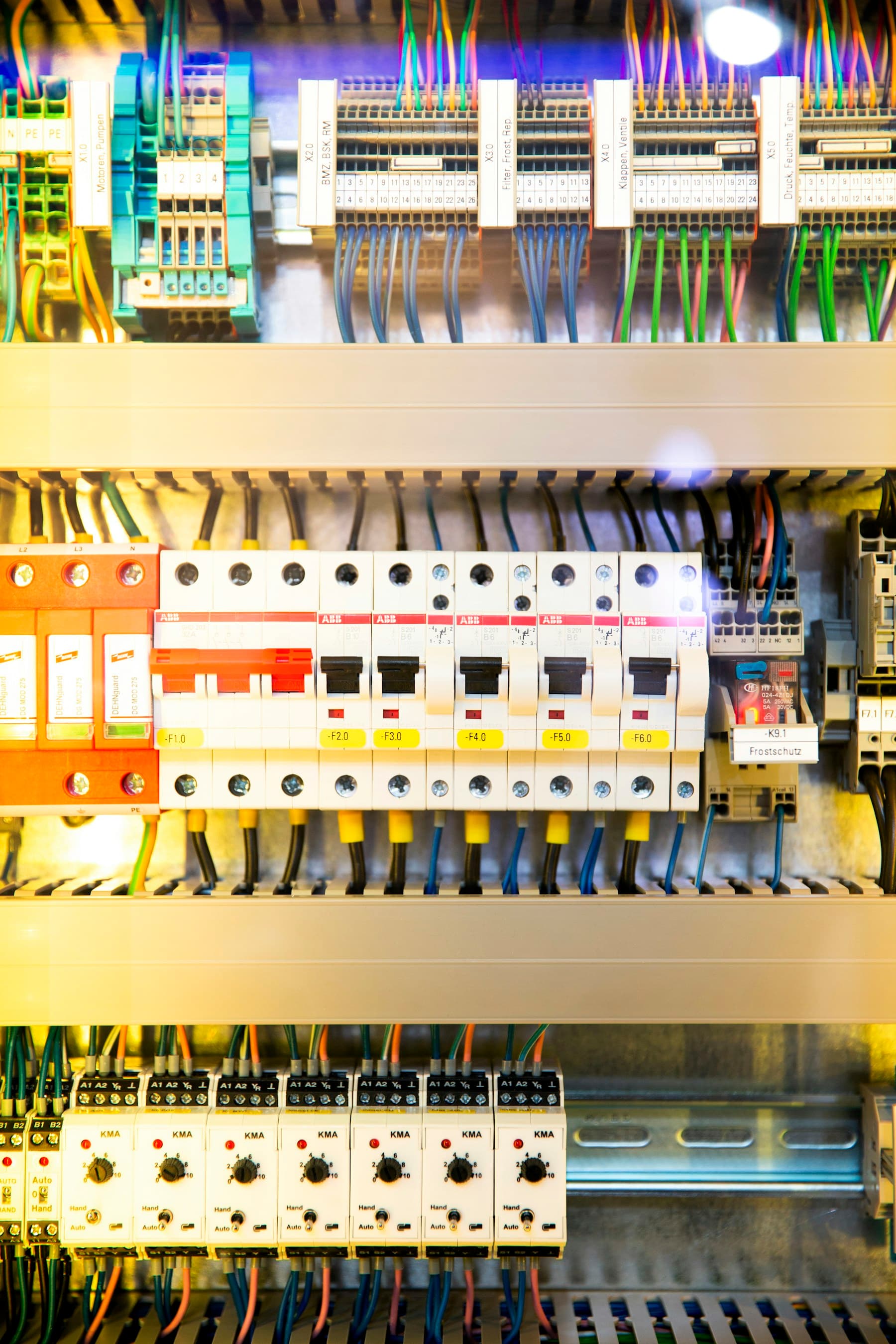
A registered electrician has something most trades do not: a public record that says the business is real and competent. NICEIC, NAPIT, ELECSA and the Part P registers are read by customers before they ring, by Google when it decides whether a profile is trustworthy, and by AI assistants when they choose whom to name. Most put the badge in the footer and stop. This guide is the 4 places each register feeds search, and how to make it count.
Register by register
| Register | What it proves | Where it feeds search |
|---|---|---|
| NICEIC | Approved contractor or domestic installer status, assessed | Profile attribute and description, a citation on niceic.com, the schema on your pages, the AI answer |
| NAPIT | Registered installer, competent person scheme | The same four places; the NAPIT register entry is a citation Google reads |
| ELECSA and other schemes | Competent person scheme membership | Citation and profile attribute; less recognised by customers, still a register |
| Part P (Competent Person Register) | Self-certification of notifiable domestic work | The register entry at competentperson.co.uk, the description, the FAQ on the site |
| Registered Competent Person Electrical | The public search customers actually use | The listing must match the profile exactly: name, address, phone |
The four places a register does work
The profile
Google's profile has an attribute for certified professionals and a description that customers read. The scheme name belongs in the description in plain words, and the certificate number belongs on the site, not in the business name. A profile called "Smith Electrical NICEIC Approved" ranks for a month and then loses the listing.
The citation
Every register entry is a page on a trusted site that says your name, address and phone number. When it matches the profile and the site exactly, it is a citation Google weighs; when it carries the old address or a different phone, it is a contradiction that costs more than the badge earns. Check every register entry against the profile once a quarter.
The schema
The business markup on your site can carry the scheme membership as a credential, so a search engine reads it as data rather than as a logo image. We add it to every electrician site we build, with the register URL, because it is one of the few trust signals that is machine-readable.
The AI answer
Ask an assistant for a registered electrician in your town and it looks for the register mentioned in text: on the profile, on the page, in a review. A logo in the footer is invisible to it. A sentence that says which scheme, since when, and what it covers is quoted.
What customers check, and what they get wrong
Customers search the register when the job is notifiable or expensive: a consumer unit, a rewire, an EV charger, anything in a bathroom. They rarely know which scheme is which; they want to see the business on a register with the same name they found on Google. That is the whole test, and it fails when the register says the trading name and the profile says the limited company, or the phone numbers differ.
The page every registered electrician should have
- A short page or section titled with the scheme and the words customers use: registered, certified, Part P.
- What the registration covers in plain English: notifiable work, certificates issued, what the customer receives afterwards.
- The register link, the certificate example, the year you joined.
- The FAQ customers ask: do I need a certificate for this job, what happens if I use an unregistered electrician, how do I check you.
The register is a trust signal three audiences read: the customer, Google and the assistant. Put it in text, in the same words on every source, and it does more for the map than most of what agencies sell.
Questions on this topic
Does being NICEIC registered help ranking directly?
Not as a ranking factor. It helps as a citation, a profile attribute, a conversion signal and a quotable fact, which together move the map and the phone. The badge alone does nothing.
Should I show the certificate number on the site?
The scheme name and the register link, yes. The number can go on the certificate page; customers verify by name, not number.
I am registered with two schemes. Which do I lead with?
The one customers in your area recognise, usually NICEIC, in the description and the schema; list both on the page. Keep the details identical on both register entries.